When to Call an Electrician: Frequent Electrical Problems You Should Never Overlook
Electrical problems might initially seem trivial, however they present considerable hazards. Intermittent light flickering, repeated circuit breaker interruptions, and outlets that generate unusual heat are typical indicators that an issue is present. Ignoring these signals can result in significant safety risks. Moreover, strange odors or experiences of mild electrical jolts warrant immediate attention. Recognizing these red flags is essential. What should homeowners do when faced with these conditions? The answers are essential for maintaining a safe living environment.
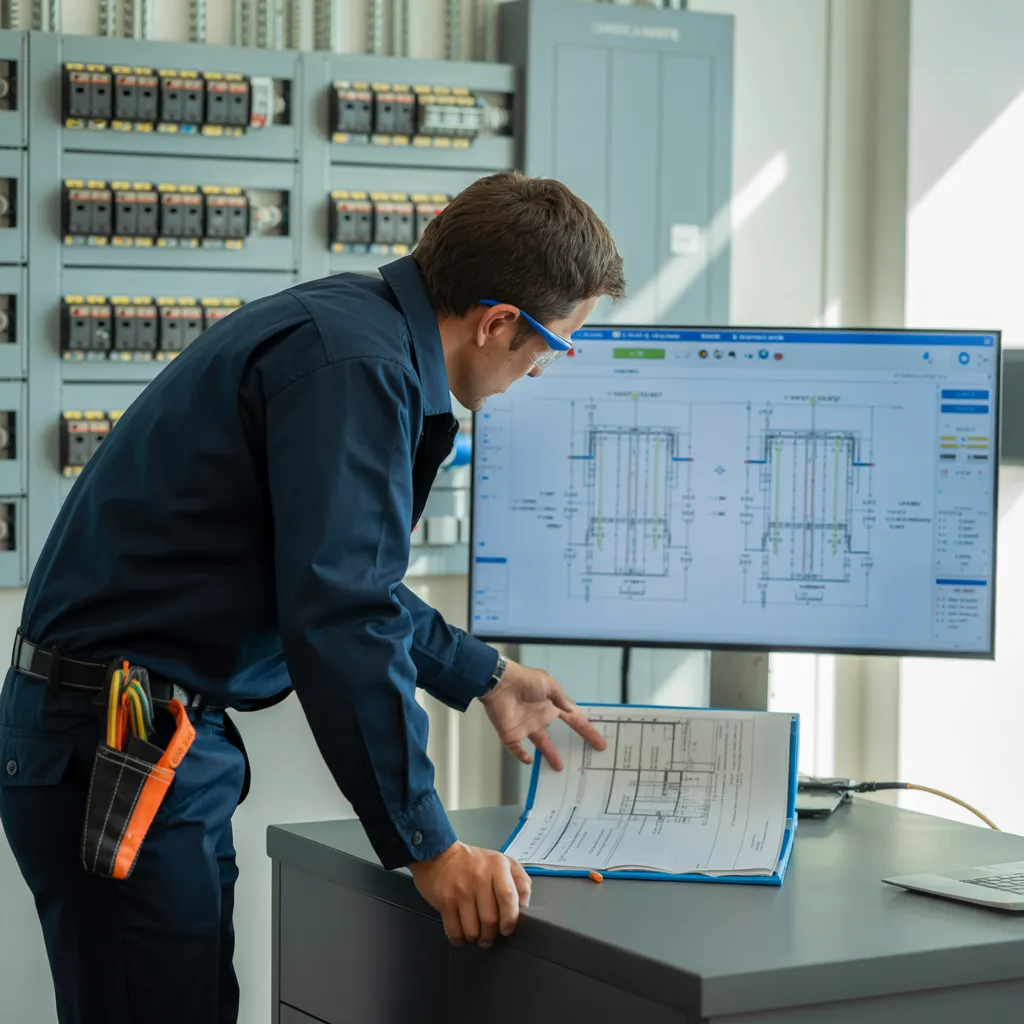
Identifying Flickering Lights: Common Electrical Issues
Flickering lights are a telltale sign of hidden electrical problems that cannot be dismissed. This phenomenon often signals a loose connection, which can lead to arcing and pose fire hazards. Furthermore, flickering can suggest an overloaded circuit, where an excessive number of devices pull power concurrently, straining the electrical system. In some instances, the cause can be traced to a deteriorating light bulb or fixture, but ongoing flickering indicates a more significant problem.
Homeowners should take note of the regularity and nature of flickering; singular occurrences may be insignificant, yet recurring flickering among numerous fixtures calls for expert inspection. Ignoring these signs can lead to further complications, including damage to appliances or increased risk of electrical fires. As a result, identifying flickering lights as a possible warning signal is essential. Consulting an electrician can ensure the security and proper operation of the home's electrical system, preventing future issues.
What Causes Circuit Breaker Trips
When an electrical system becomes overloaded, circuit breakers trip to safeguard against electrical hazards. Multiple factors can cause this to happen. One prevalent cause is an overload condition, which takes place when multiple devices demand power from a single circuit. This can occur during heavy usage, such as multiple appliances running simultaneously. Short circuits can also cause breaker trips; they arise when a hot wire touches a neutral wire, generating an excessive flow of electricity. Ground faults, comparable to short circuits, take place when a hot wire makes contact with a ground wire or grounded surface, presenting further safety concerns. Furthermore, defective wiring or malfunctioning devices may cause breaker trips, indicating underlying issues that may require professional attention. Periodic inspections and preventive maintenance can help uncover these problems before they become serious, ensuring a safer electrical system. Understanding the indicators of circuit breaker trips is vital for keeping a properly operating home electrical system.
Detecting Spark or Overheating Outlets
Outlets that spark or overheat can be a sign of serious electrical problems requiring urgent attention. If an outlet is emitting sparks, this commonly points to a short circuit or loose wiring, both of which carry serious fire hazard potential. Property owners must stay alert to overheating indicators, including discoloration, heat, or a burning odor coming from the outlet. Overheating can occur due to overloaded circuits or faulty wiring, leading to damage that may compromise electrical safety.
When sparks or extreme heat become apparent, it is crucial to stop using the outlet immediately and to unplug any connected devices. Promptly consulting a licensed electrician is strongly advised to identify and resolve the problem. Ignoring these signs can lead to more severe consequences, including electrical fires or extensive damage to the home's wiring system. Acting swiftly can secure safety and eliminate the risk of further damage.
Dangers of Burning Smells or Odors
Strange burning scents or odors in a home can be a stark warning of electrical hazards that require prompt action. These odors often indicate overheating wires, malfunctioning appliances, or faulty insulation. Ignoring such signs can lead to severe consequences, including dangerous electrical fires that carry substantial risks to safety and property.
The cause of the burning scent can be hard to identify, as it could emanate from various areas, such as outlets, circuit breakers, or appliances. Homeowners should be vigilant and respond quickly if they notice these smells, as they often signal that electrical wiring is damaged or strained.
Immediate measures consist of unplugging devices and keeping clear of the affected area until a qualified expert can assess the situation. Tackling unusual burning odors promptly can stop the development of dangerous scenarios, ensuring the safety of the household. Reaching out to a licensed electrician is necessary for diagnosing and resolving these alarming electrical issues.
Reasons Why Electrical Shocks Must Never Be Overlooked
Electrical shocks, no matter their severity, can indicate significant underlying problems that require urgent action. Disregarding these electrical shocks not only presents potential health hazards but may also indicate faulty wiring or other hazardous electrical issues. Addressing the cause promptly can help avert more serious risks going forward.
Possible Health Hazards
Ignoring the signs of electrical shocks can lead to serious health risks that should never be overlooked. Even small shocks may suggest underlying issues that can intensify, posing substantial dangers. The human body conducts electricity, and interaction can result in a range of injuries, from minor burns to serious trauma, including cardiac arrest. Prolonged or repeated shocks increase the likelihood of nerve damage and other long-term health complications. Additionally, the psychological impact of experiencing electrical shocks can lead to worry and concern surrounding electrical appliances. It is crucial to handle any shocking incidents quickly to prevent potential injuries and preserve overall well-being. Seeking professional help guarantees that the root causes are identified and resolved effectively, limiting health risks associated with electrical issues.
Core Electrical Concerns
Why do seemingly insignificant electrical shocks often point to deeper issues within a residential wiring system? These shocks, often dismissed as trivial, can indicate significant underlying problems such as faulty wiring, damaged insulation, or poor connections. Even a mild shock may originate from damaged circuits that could present serious safety hazards, such as electrical fires. Homeowners should recognize that consistent shocks may suggest ground faults or overloaded circuits, which require immediate attention. Overlooking these indicators can cause increasingly serious complications, ultimately endangering both the home and those living within it. As such, when faced with electrical shocks, it is imperative to engage a certified electrician to assess and mitigate potential risks before they escalate into more significant electrical malfunctions or emergencies.
Warning Signs of Aging Wiring That Demand Immediate Action
Outdated wiring can manifest through several alarming signs that demand prompt attention. Lights that flicker frequently, frequent circuit breaker trips, and discoloration around outlets are often signs of serious electrical issues. Detecting these issues at an early stage can prevent hazardous situations and guarantee home safety.
Lights Flickering Issue
Flickering lights often reveal serious electrical problems that require immediate attention. This occurrence commonly suggests concerns including aging wiring, faulty connections, or circuits drawing too much power. These problems may result in an unreliable power supply, creating not only disruptions but also serious risks such as electrical fires. Homeowners should take note of frequent flickering, particularly when it affects several fixtures or outlets. Dismissing these indicators may lead to more significant electrical complications, such as possible harm to household appliances or a heightened fire hazard. Consulting a qualified electrician is essential for diagnosing the root cause and implementing necessary repairs or upgrades. Swift attention can help secure safety and copyright the overall health of the home's electrical infrastructure.
Common Circuit Breaker Tripping Issues
When a circuit breaker keeps tripping, it often signals underlying material issues that warrant immediate attention. This occurrence may signal an overloaded circuit, where excessive devices pull electricity concurrently, or a short circuit, which can pose significant safety risks. Moreover, aging wiring may fail to meet contemporary electrical requirements, resulting in recurring failures. Repeated tripping may also indicate defective breakers, which may need replacement to guarantee safety and functionality. Ignoring these signs can lead to greater electrical dangers, including potential fires. Homeowners should consult a licensed electrician to identify the problem and suggest suitable remedies, assuring the electrical system operates safely and efficiently. Timely intervention can avoid additional issues and improve household safety.
Discoloration Near Outlets
Outlet discoloration serves as a clear indicator of possible wiring problems that require immediate attention. Such staining commonly appears as yellow, brown, or black discoloration, which can point to overheating or arc faults, circumstances that present dangerous fire risks. Wiring connections could be loose or deteriorated, causing elevated resistance and thermal buildup. Overlooking these warning signs can lead to additional harm to the wiring system or produce unsafe circumstances. Residents ought to make safety a priority and consider these discolorations as urgent warnings. Consulting a qualified electrician is necessary to inspect and resolve the issue, making certain that the electrical system performs safely and effectively. Tackling these problems without delay can avoid more expensive fixes and enhance overall home safety.
How to Find the Ideal Electrician for Your Situation
What steps can someone take to ensure they choose the right electrician for their particular requirements? To begin, verifying credentials is a critical step. An electrician with proper licensing proves their commitment to regional regulations and safety protocols. Homeowners should also seek recommendations from friends or family to find reputable professionals.
Furthermore, reviewing online ratings and testimonials can give a clear picture of an electrician's trustworthiness and caliber of service. It is wise to request multiple bids to assess costs and service offerings. In addition, potential clients should inquire about the electrician's background with particular projects, confirming they possess the necessary skills for the task.
In the end, open communication is vital. A good electrician should be willing to discuss the job, provide solutions, and address any concerns. By following these guidelines, homeowners can arrive at educated conclusions, guaranteeing they select an electrician who meets their unique needs with skill and professionalism.
Common Questions and Answers
What Are the Safe Steps to Reset My Circuit Breaker?
To properly reset a circuit breaker, begin by turning off all connected devices. Next, locate the breaker panel, locate the tripped breaker, and firmly switch it to the 'off' position, then return it to 'on'.
What Should I Do When My Outlet Feels Warm?
When an outlet feels warm, any devices plugged into it should be disconnected without delay. This might suggest an overload or underlying fault. Consulting a qualified electrician is essential to address potential hazards and guarantee safety.
Are DIY Electrical Repairs Safe to Attempt?
Performing electrical repairs yourself can be dangerous and are generally not safe for individuals lacking professional expertise. Incorrect work could cause severe safety hazards, including fire hazards or electric shock, making professional assistance advisable for any significant issues.
How Regularly Should I Schedule a Wiring Inspection?
Electrical wiring ought to be examined every three to five years, or more frequently if warning signs emerge. Routine inspections help ensure safety, preserve efficiency, and reduce potential risks connected to deteriorating or compromised electrical systems in the home.
What Are the Indicators of a Defective Light Switch?
Common symptoms of a failing light switch consist of flickering lights, warmth emanating from the switch, unusual noises like crackling, and challenges when toggling the switch on or off. These issues warrant professional attention.